
New build home glossary
Buying a new build home comes with a language all of its own. From your first viewing to collecting the keys, you’ll hear terms that can stump even confident buyers.
This glossary breaks down the jargon into plain English, so you always know exactly what’s being discussed, what it means and why it matters to you.
Quick Links:
Before you reserve
-
Image
 Agreement in Principle (AIP)
An AIP – also called a Decision in Principle or a Mortgage in Principle – is a lender’s initial indication of how much you could borrow, based on a quick assessment of your finances. Getting one can help show that you’re a serious buyer and likely to be approved for a mortgage, but it isn’t a guaranteed mortgage offer.
-
Image
 Build stage
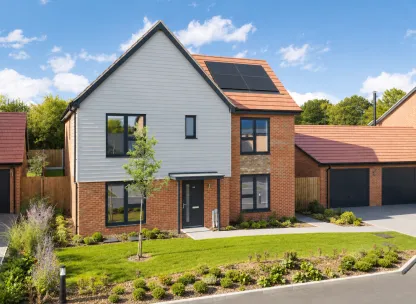
A build stage is the current point in construction, from groundworks through to completion, and helps you estimate when your new home will be ready.
-
Image
 Energy Performance Certificate (EPC)
An EPC rates a home’s energy efficiency from A to G. New builds typically achieve higher ratings of A or B thanks to modern insulation and heating systems.
-
Image
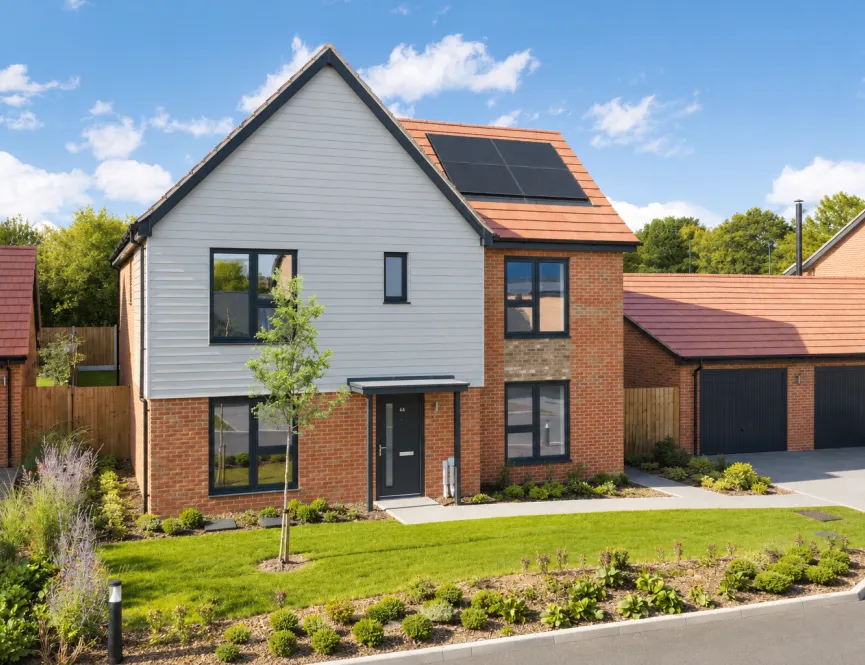
 New build
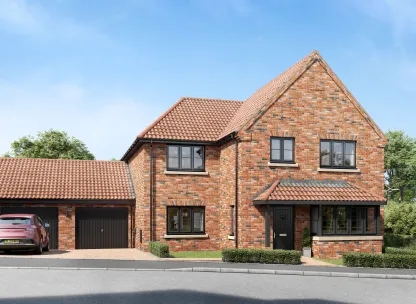
A new build is a home that’s in the process of being, or has just been, constructed and has never been lived in before. Everything is brand new, from the wiring to the windows, and it comes with the latest energy-efficiency standards built in.
-
Image
 Off plan
Buying off plan means reserving a home before it’s finished, sometimes before building has even started. You choose your plot based on floor plans, specifications and show homes, rather than walking through the finished property.
-
Image
 Plot
PlotYour plot is the specific home and its position within the wider development. Plot numbers help everyone, from sales advisors to solicitors, identify exactly which home you’re buying.
-
Image
 Show home
A show home is a fully furnished example of a house type on the development, designed to help you picture how the finished homes will look and feel.
-
Image
 Site plan
A site plan is a map of the development showing the layout of every plot, road and shared space, so you can see exactly where your new home would sit.
-
Image
 Specification
The specification lists every fixture, fitting and finish included as standard in your new home, from kitchen units to flooring. Always check the specification carefully, as it varies by development and house type.
Reserving your home
-
Image
 Cooling-off period
A cooling-off period is a short window of time after reserving your home, typically a matter of days, during which you can withdraw and have your reservation fee refunded.
-
Image
Longstop date
A longstop date – sometimes called a ‘sunset clause’ – is the latest date by which the housebuilder guarantees your home will be finished. If it isn’t ready by then, you can withdraw from the purchase.
-
Image
Reservation agreement
A reservation agreement is the paperwork confirming the terms of your reservation, including your reservation fee, agreed purchase price and expected timescales.
-
Image
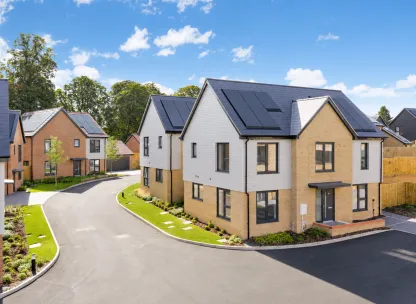 Reservation fee
A reservation fee is a deposit you pay to secure your chosen home while your solicitor and mortgage lender complete the necessary checks. It’s usually deducted from your final purchase price at completion.
Costs and fees
-
Image
 Disbursements
Disbursements are the third-party costs your solicitor pays on your behalf during the legal process, such as search fees and land registry fees.
-
Image
 Ground rent
Ground rent is an annual charge leaseholders pay the freeholder for the land their home stands on. Since June 2022, ground rent on most new build homes in England has been legally capped at a zero-cost “peppercorn” rate.
-
Image
Mortgage arrangement fee
A mortgage arrangement fee is a charge some lenders apply to set up your mortgage. You can often pay it upfront or add it to your loan.
-
Image
 Service charge
A service charge is a fee that covers the maintenance of shared areas and facilities in a development, such as landscaping, lighting and communal repairs.
-
Image
 Stamp Duty Land Tax (SDLT)
SDLT is a tax paid on property purchases above a certain value. The amount you pay depends on the purchase price and whether you’re a first-time buyer.
-
Image
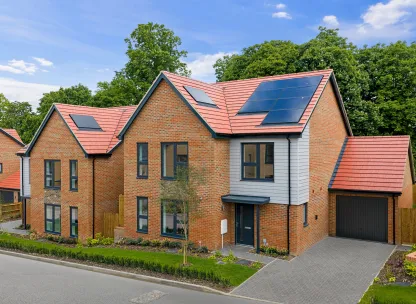 Valuation fee
A valuation fee covers the cost of your lender’s survey to confirm the property is worth what you’re paying for it, before your mortgage is approved.
The legal process
-
Image
 Chain free
A chain-free purchase doesn’t depend on you selling an existing property first, which is why many buyers choose a new build.
-
Image
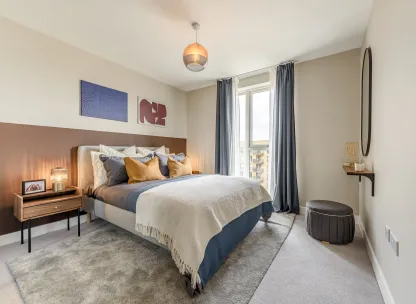 Completion
Completion is the day ownership legally transfers to you. Once your solicitor confirms the funds have been received, you’ll get the keys to your new home.
-
Image
 Conveyancing
Conveyancing is the legal process of transferring ownership of a property from the housebuilder to you. Your conveyancing solicitor handles searches, contracts and the transfer of funds on your behalf.
-
Image
Exchange of contracts
Exchange of contracts is the moment your purchase becomes legally binding. Once you exchange contracts, both you and the housebuilder are committed to completing the sale, and you set a completion date.
-
Image
 Freehold
Freehold means you own the building and the land it stands on outright, with no time limit. Most houses are sold freehold.
-
Image
 Leasehold
Leasehold means you own the home for a fixed number of years, while the land itself remains owned by the freeholder. Apartments are typically leasehold.
-
Image
 Local authority search
A local authority search is a check carried out by your solicitor into planning permissions, road adoptions and environmental issues that could affect the property.
-
Image
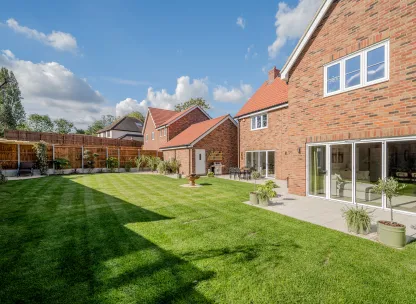 Management company
A management company is the organisation responsible for taking care of shared areas and facilities on a development, such as communal gardens or bin stores.
-
Image
 Title deeds
Title deeds are the legal documents that prove ownership of a property and record any rights or restrictions attached to it.
-
Image
 UK Finance Disclosure Form
A UK Finance Disclosure Form (formerly known as a CML form) confirms that your new home meets your mortgage lender’s requirements. It details relevant information about the property, such as method of construction, tenure type and incentives. Your solicitor uses it to satisfy the lender before your mortgage funds are released.
Snagging and moving in
-
Image
 Council tax band
A council tax band determines how much council tax you’ll pay each year. It’s assigned to your home after completion, based on its value.
-
Image
 Handover
Handover is when your new home is formally handed over to you, usually following a walkthrough with a member of the housebuilder’s team. This is your chance to ask questions and familiarise yourself with how everything works before you move in.
-
Image
 Defects liability period
The defects liability period is the timeframe, often the first two years, during which the housebuilder is responsible for fixing most defects identified in your new home.
-
Image
 Meter readings
Meter readings are taken at handover to record your gas, electricity and water usage from day one, so you can set up your utility accounts accurately.
-
Image
 NHBC warranty
An NHBC warranty gives you 10 years of structural protection on your new home. It covers the first two years for a wide range of defects, then the following eight years for major structural issues.
-
Image
 Snagging
Snagging is the process of identifying any minor defects or unfinished details in your new home, such as a mark on paintwork or a sticking door. Report these to your housebuilder, who will usually fix them within the first few weeks after you move in.
FAQs
Why is there so much jargon involved in buying a new build home?
The process brings together legal, financial and construction terminology, much of which comes from conveyancing and mortgage industries rather than housebuilding itself. Understanding the key terms helps you follow what’s happening at each stage and ask the right questions.
Do I need to understand all these terms before I reserve a home?
Not at all – your sales advisor, mortgage broker and solicitor will explain anything relevant as you go.
Is buying a new build more complicated than buying a resale home?
The steps are broadly similar, though new builds involve a few extra terms, such as snagging and NHBC warranties, that don’t apply to older properties.
What should I do if I don’t understand something in my paperwork?
Just ask – whether it’s your solicitor, mortgage broker or sales advisor, it’s always worth clarifying anything you’re unsure of before signing any paperwork.
Does this terminology apply to every housebuilder, or just Hill?
These terms are standard across the UK housebuilding industry, so they’ll apply whichever housebuilder you’re buying from.